
Sunday 5 April 2026 · The garden
Notes on the compost corner
Three bays, a garden fork, and the slow alchemy of turning kitchen scraps into next season's beds.
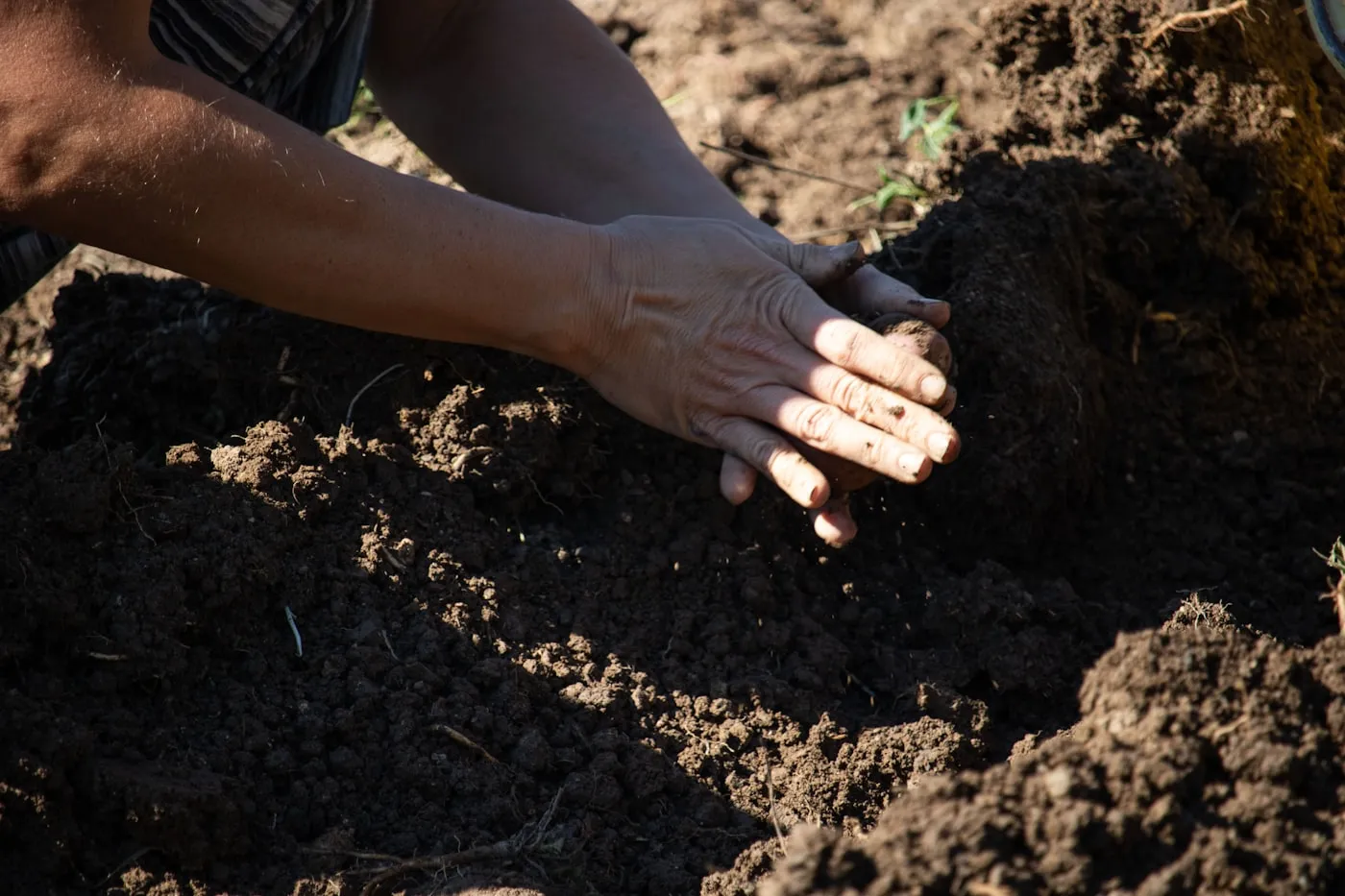
People always ask about the compost. It’s the first thing visitors notice, three timber bays at the back, two of them steaming gently on a cold morning. There’s no secret. We just keep at it.
The rough rule
For every bucket of greens (kitchen scraps, fresh weeds, lawn clippings) we add roughly two of browns (dry leaves, shredded cardboard, straw). We turn each bay every fortnight or so. Bay one is the active pile. Bay two is cooking. Bay three is finished compost, ready to spread.
What we don’t put in
- Meat or dairy (rats)
- Diseased plants (don’t recycle the disease)
- Citrus peel in large quantities (slow to break down, and earthworms aren’t fans)
Why we bother
A garden runs on its soil. Buying compost in bags works, but the loop closes nicely when the apple cores from the working-bee morning tea become next year’s tomato bed. It’s the cheapest, slowest, most satisfying transformation we know.